How to Train Around Minor Injuries | MMA Training Tip
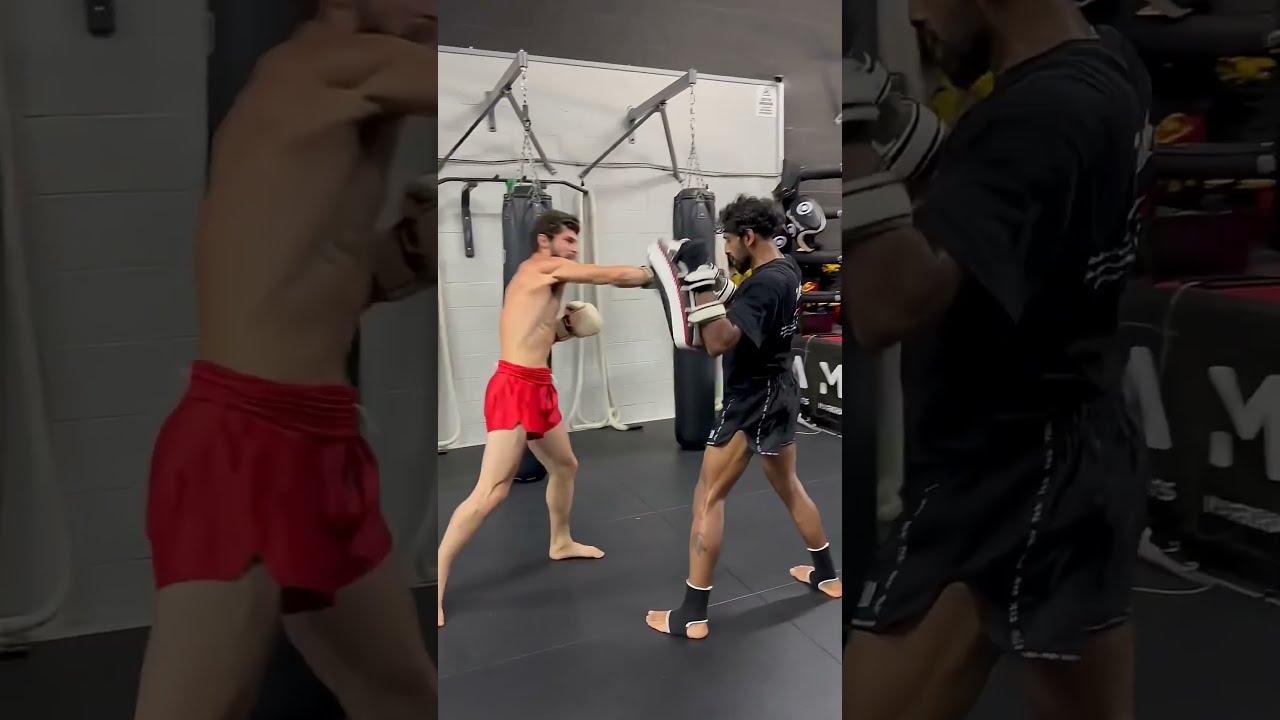
Don’t train through pain. Train around it. Learn when to modify a movement, when to stop, and how to keep training without making a minor injury worse.
A deload isn't quitting. Cut the volume, reduce the hard sparring, keep the skill — and give the fitness you've built room to show. Train less. Come back sharper.
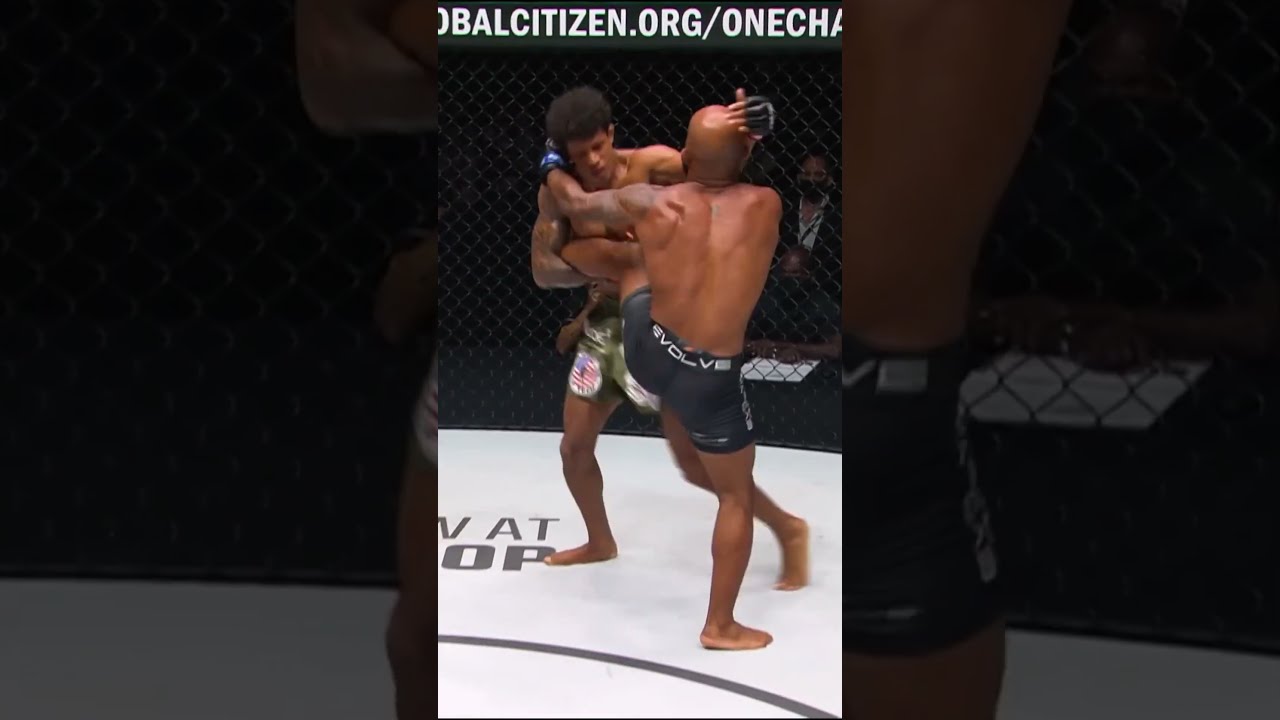
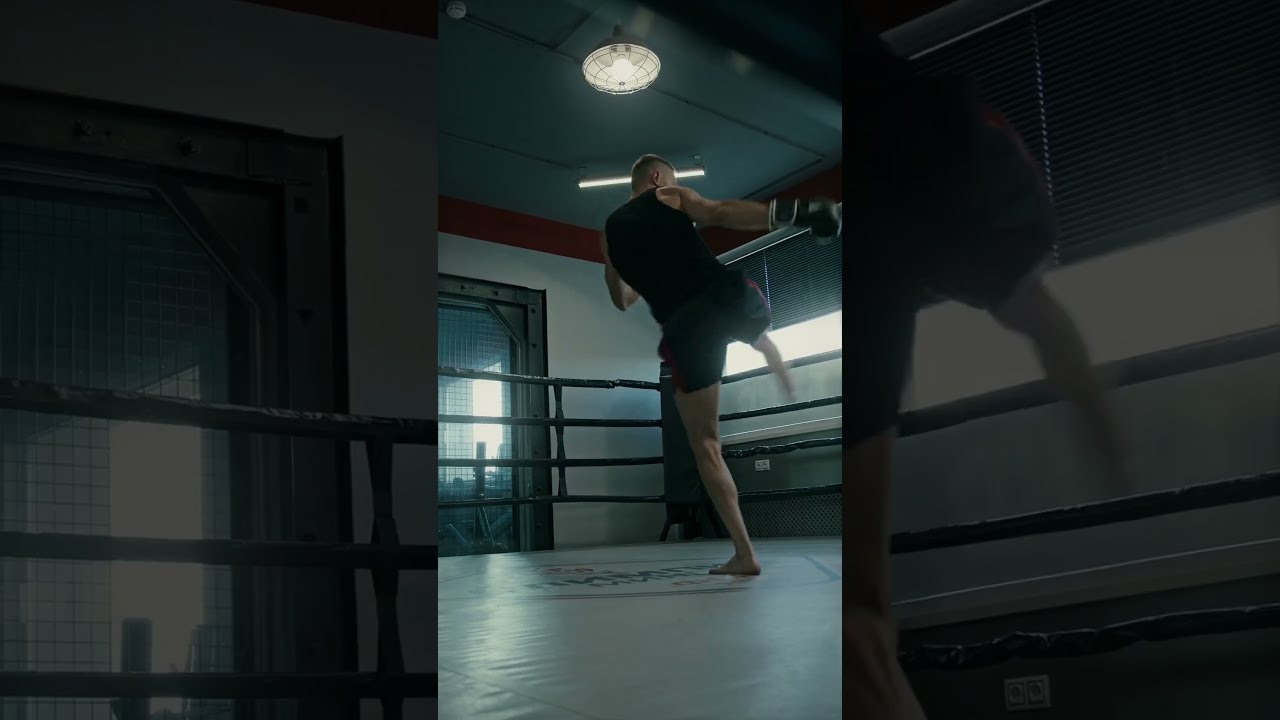
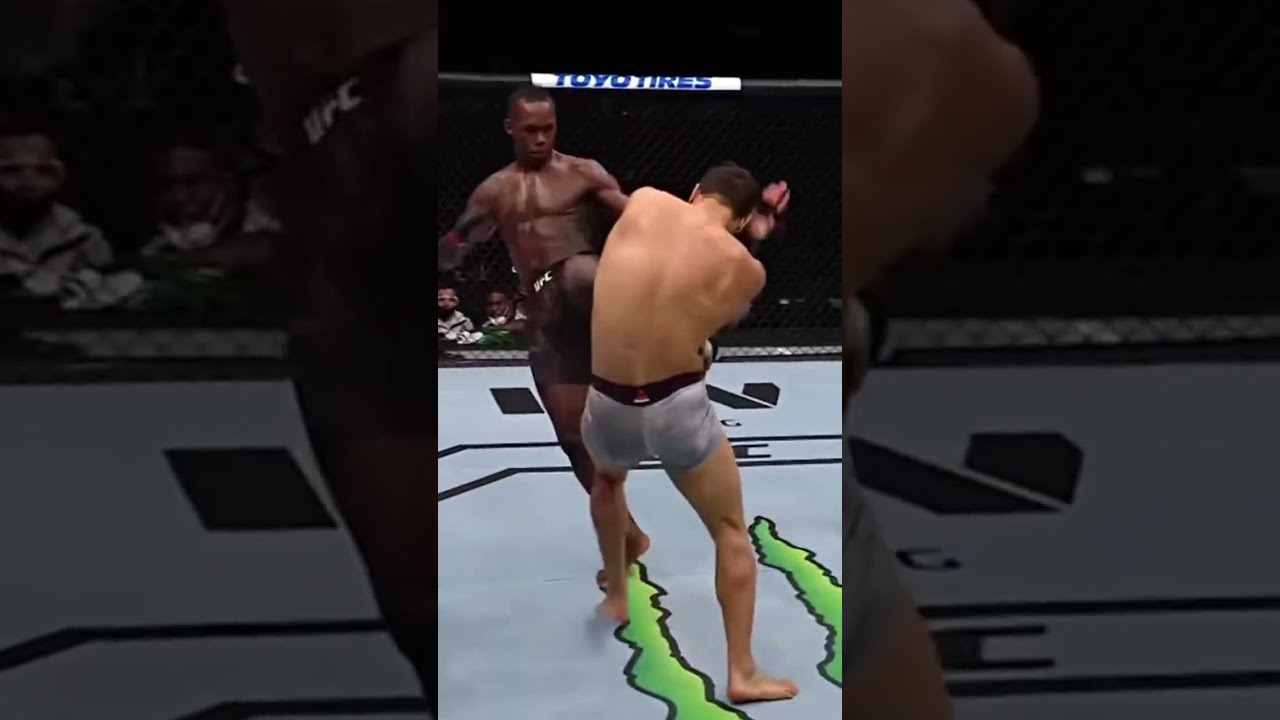
The low kick isn't there to hurt you first — it's there to build a pattern you'll eventually check.
Mixing MMA, strength training, and running isn't the problem. Treating every session like the hardest one is. Learn how to structure your week so skill, strength, and conditioning work together instead of competing for the same recovery.
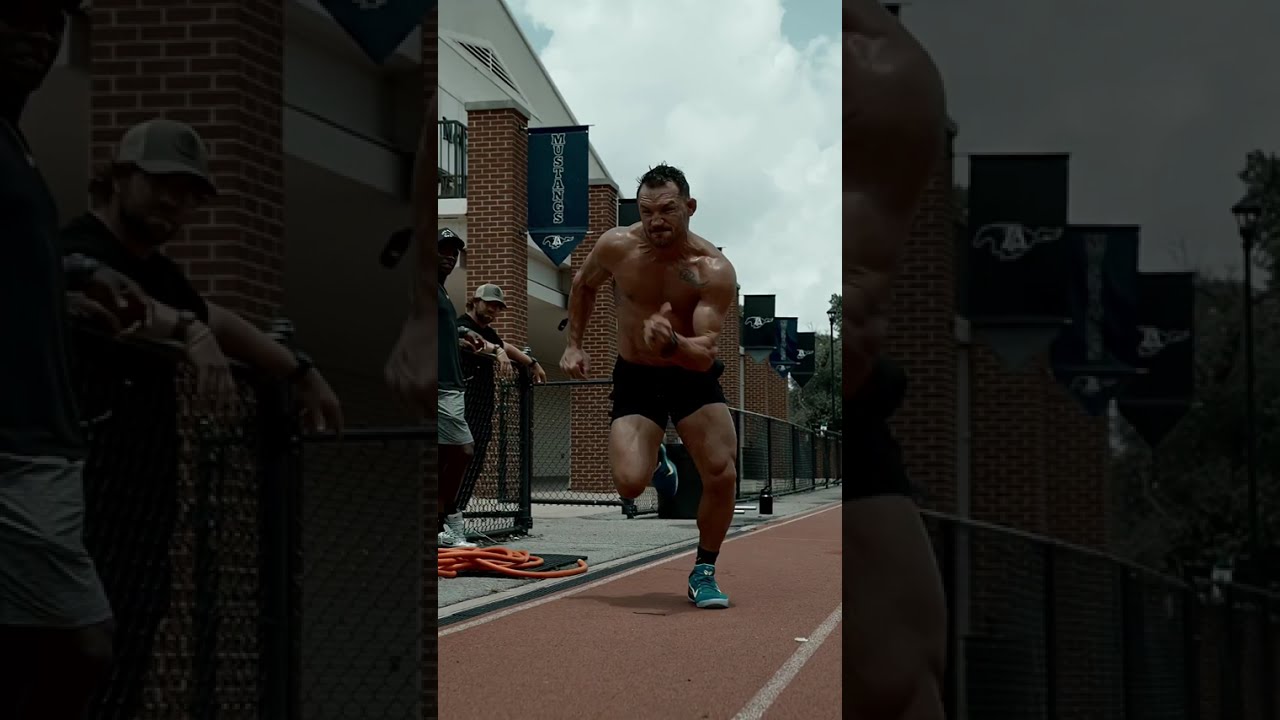
Sprint work feels like fight cardio. The hardest part of a fight isn't throwing combinations—it's recovering fast enough to throw the next one.
Khabib didn't need to out-box elite strikers. He removed the space, balance, and timing they needed to strike. This breakdown explains how Khabib's cage pressure, chain wrestling, and relentless control turned some of MMA's best strikers into fighters competing on his terms.
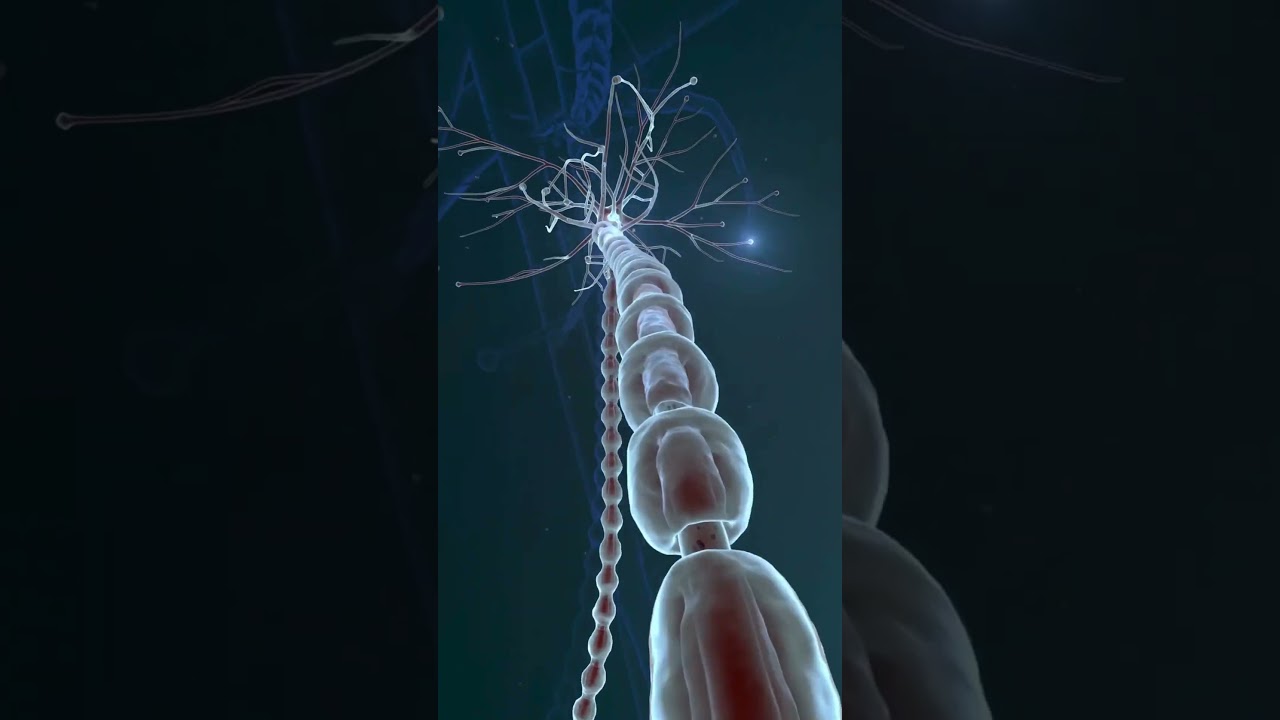
Recovery doesn't start after training. It starts with the decisions you make before your body breaks down.
Your resting heart rate is one of the earliest signs of overtraining. It starts changing before your performance does.
The answer isn't a magic number. Fight cardio comes from combining easy runs, tempo work, and sprints, not repeating the same distance every day.
More hard rounds won't fix your gas tank. Here's why your MMA cardio might be built in the wrong order - and why real fight conditioning starts with an aerobic base before adding intensity.
GSP wasn't the most talented. He wasn't the strongest. But he kept getting better - because he never depended on how he felt. He depended on what he did. Day after day.
The weight room doesn't build your game. It protects it. Here's why every serious MMA fighter trains with weights — and what happens when you get the balance wrong.